support metrics
.png&w=1200&q=75)
A Glossary of the Top 20 Benefits Cited by Support Teams Using AI for Customer Support
AI is revolutionizing customer support, enhancing efficiency, improving customer satisfaction, and reducing operational costs. Businesses leveraging AI-powered customer service solutions experience significant gains in ticket deflection, response times, and overall service quality.This glossary highlights the top 20 benefits of AI in customer service, with real-world examples of how companies are achieving success with AI-powered solutions.

From Agentic Behavior to Net Retention Rate: The Psychology Behind Customer Loyalty
This article explores the concept of agentic behavior, emphasizing its role in fostering customer loyalty and enhancing net retention rates. By empowering customers with autonomy and decision-making capabilities, businesses can boost engagement, satisfaction, and long-term value. Strategies for integrating agentic principles into customer success initiatives are also discussed to drive sustainable business growth.

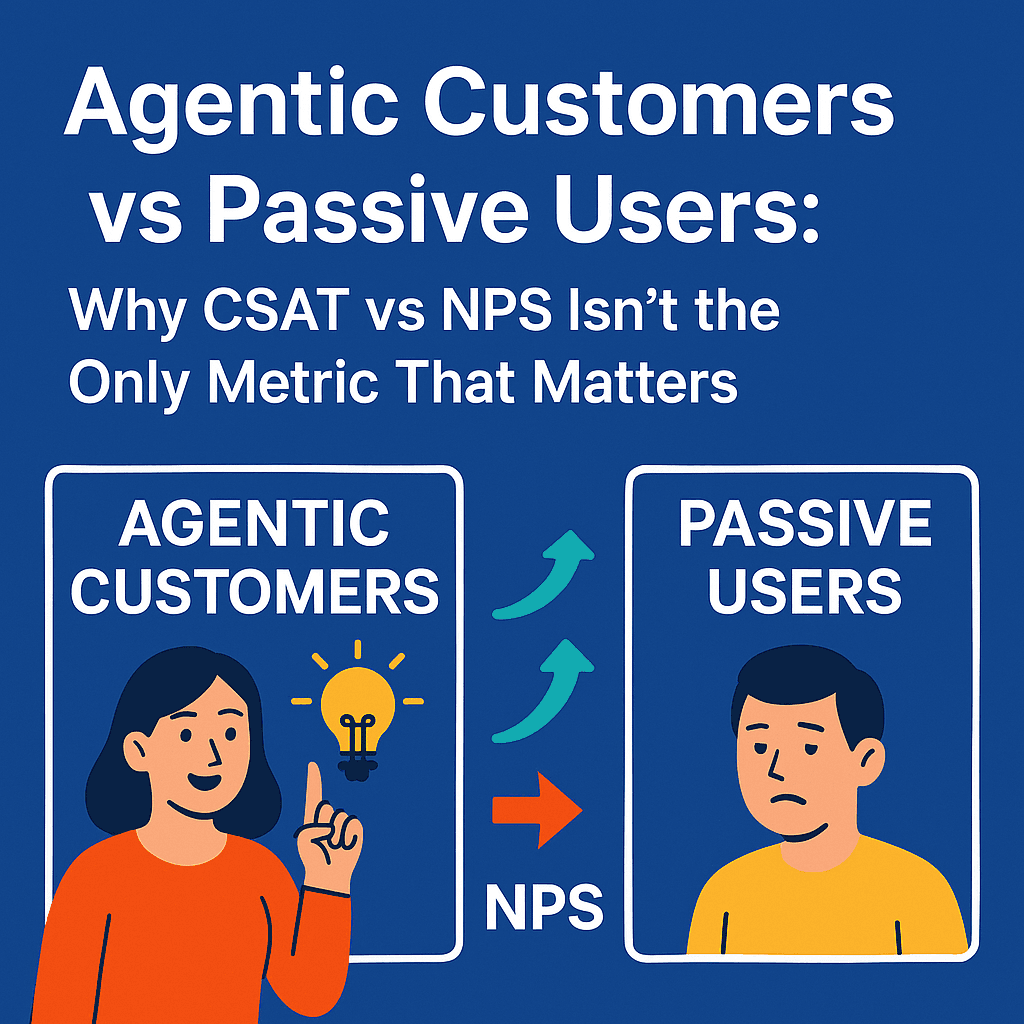
Agentic Customers vs Passive Users: Why CSAT vs NPS Isn’t the Only Metric That Matters
Understanding the difference between agentic customers—those who actively engage—and passive users is crucial for enhancing customer satisfaction. Relying solely on metrics like CSAT and NPS may overlook important long-term customer behaviors. By fostering agentic behavior through education and personalized engagement, businesses can drive growth and improve customer loyalty.

Top AI Chatbot Optimization Tools and Metrics
This article explores the importance of AI chatbot optimization, emphasizing essential tools and metrics for enhancing performance and user experience. Key metrics like accuracy, user intent detection, and task completion rates are highlighted as critical for maximizing chatbot effectiveness. Businesses are encouraged to continually refine their chatbots to boost customer satisfaction and brand loyalty.

How AI for SaaS Support Enhances Retention Rates
Leveraging AI for SaaS support enhances customer retention rates by improving user experience, streamlining onboarding, and providing personalized interactions. As AI technologies evolve, companies that incorporate these solutions can achieve sustainable growth and strengthen customer loyalty. Effective implementation of AI strategies is crucial for addressing challenges like churn and ensuring ongoing value delivery to customers.

The Future of Client Retention: Why AI Personal Assistants Belong in Every Success Platform
AI personal assistants are revolutionizing client retention strategies by enhancing efficiency, personalizing interactions, and providing data-driven insights. These tools empower customer success teams to address issues proactively and foster loyalty through tailored experiences. As businesses integrate AI into their success platforms, they position themselves for a competitive edge in retaining customers.

Why AI-Powered Customer Analytics Optimization Matters in 2025
As businesses head into 2025, AI-powered customer analytics are transforming how companies derive insights from customer behavior, enabling real-time analysis and predictive modeling. These advancements allow businesses to enhance customer experience, streamline operations, and gain a competitive edge. By leveraging these tools responsibly, organizations can optimize strategies and foster sustained growth in an increasingly digital landscape.

How AI-Powered Customer Analytics Support Boosts Loyalty
AI-powered customer analytics enhance customer loyalty by providing personalized experiences and predictive insights. Businesses can leverage these tools to boost customer satisfaction, anticipate needs, and improve engagement, ultimately fostering long-term relationships. As technology advances, the value of these analytics continues to grow, enabling businesses to thrive in competitive markets.

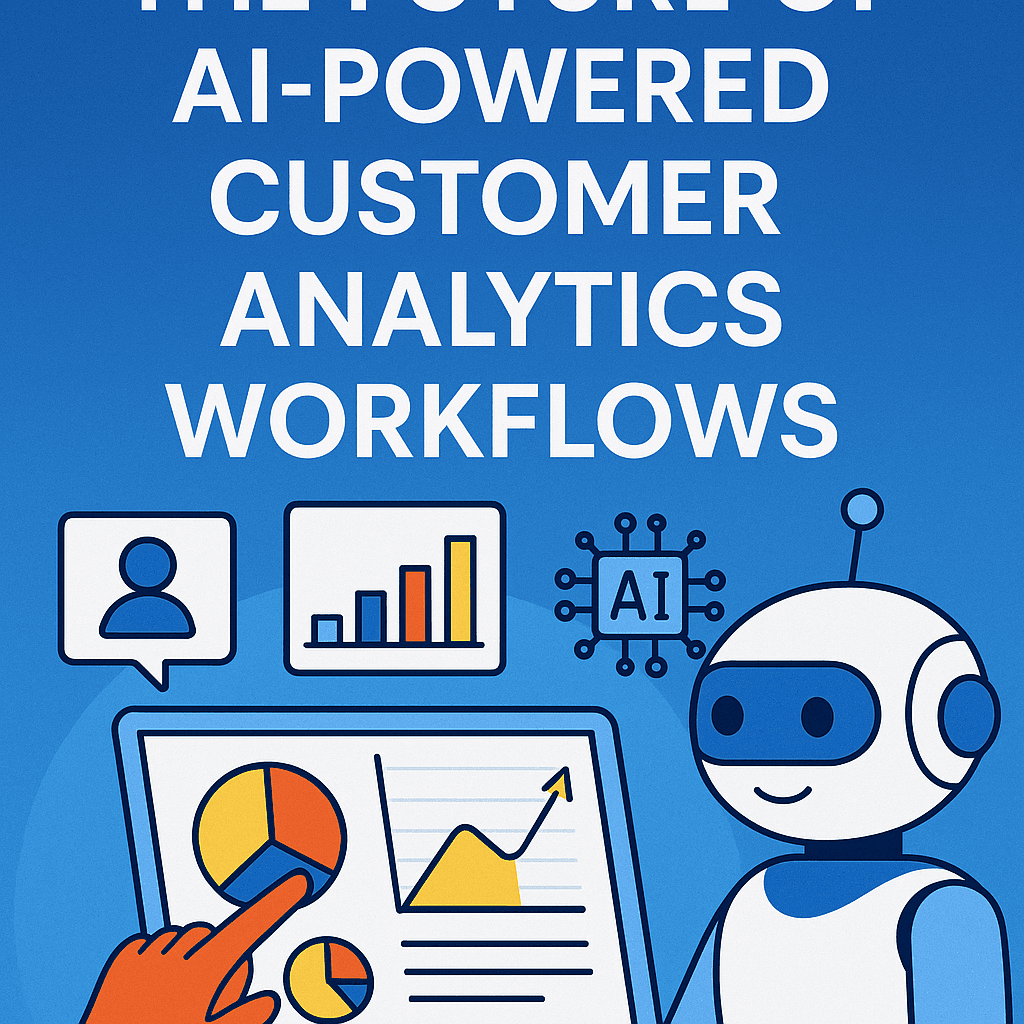
The Future of AI-Powered Customer Analytics Workflows
AI-powered customer analytics is revolutionizing business workflows by enhancing decision-making and providing real-time insights into customer behavior. The evolution of AI tools allows organizations to turn complex data into actionable insights, fostering personalized experiences and strategic growth. As the digital landscape evolves, embracing these AI technologies is crucial for maintaining a competitive edge.

Guide to AI-Powered Customer Analytics Strategies
This article explores the transformative potential of AI-powered customer analytics in enhancing customer understanding, satisfaction, and organizational growth. It lays out strategies for integrating AI into customer analytics, highlighting the importance of data quality, tool selection, and behavioral insights. With emerging trends and case studies, it underscores the necessity for businesses to adapt and leverage AI technologies for competitive advantage.

Top 7 AI-Powered Customer Service Tools Backed by Real Customer Service Metrics
The integration of AI-powered customer service tools is revolutionizing customer support by enhancing interactions, streamlining processes, and yielding measurable results. Key tools such as AIOps, chatbots, and virtual assistants are significantly improving efficiency, response times, and customer satisfaction metrics. As AI technology advances, understanding its benefits is essential for B2B decision-makers seeking to enhance customer experiences.

AI-Powered CX Analytics: Unlocking Fintech Insights
AI-powered CX analytics are revolutionizing customer experience in the fintech sector by providing invaluable insights that enhance service delivery and marketing strategies. These technologies streamline operations, improve customer interactions, and foster loyalty while addressing challenges like data privacy. As fintech continues to evolve, leveraging AI tools will be essential for driving growth and maintaining competitive advantage.

AI and Sentiment Analysis: Understanding Fintech Customers Better
AI-powered sentiment analysis is revolutionizing customer service in the fintech sector by providing deeper insights into customer sentiments, trends, and preferences. This technology enhances operational efficiency, fosters personalized experiences, and enables swift responsiveness to customer needs. By integrating AI, fintech companies can improve service delivery while navigating challenges such as data privacy and integration complexity.

How AI Tax Assistants Improve Customer Sentiment and Reduce Escalations
AI tax assistants are revolutionizing customer service in the tax advisory sector by enhancing customer sentiment and reducing escalations through instant responses, accuracy, and personalized interactions. These technologies streamline tax processes and provide reliable support, positioning businesses for improved customer satisfaction and loyalty. As digital transformation continues, investing in AI solutions becomes essential for companies aiming to enhance their customer service metrics.

From Human Agents to AI Tax Assistants: Reducing Acquisition Cost with Smart Automation
The emergence of AI tax assistants is transforming customer service in businesses by enhancing efficiency and reducing acquisition costs. These AI-driven systems automate complex tax processes, improve customer satisfaction metrics, and allow companies to allocate resources more strategically. By minimizing reliance on human agents, businesses can achieve cost savings and deliver more personalized service experiences.

Churn Prediction and CAC: How Data-Driven Client Success Teams Improve Growth Efficiency
In the competitive SaaS landscape, balancing Customer Acquisition Cost (CAC) and user retention is crucial. Data-driven client success teams leverage churn prediction models to enhance customer engagement, reduce churn, and ultimately improve profitability. By implementing advanced strategies and technology, businesses can achieve sustainable growth and foster client loyalty.

The Complete Guide to Customer Success Software: Features, ROI, and Real-World Use Cases
Customer success software has become essential for B2B businesses seeking to enhance customer experiences and increase revenue. This guide explores its key features, potential ROI, and real-world applications, demonstrating its transformative effects on customer relationships and satisfaction. By adopting such platforms, companies can proactively manage customer lifecycles, reduce churn, and drive growth.

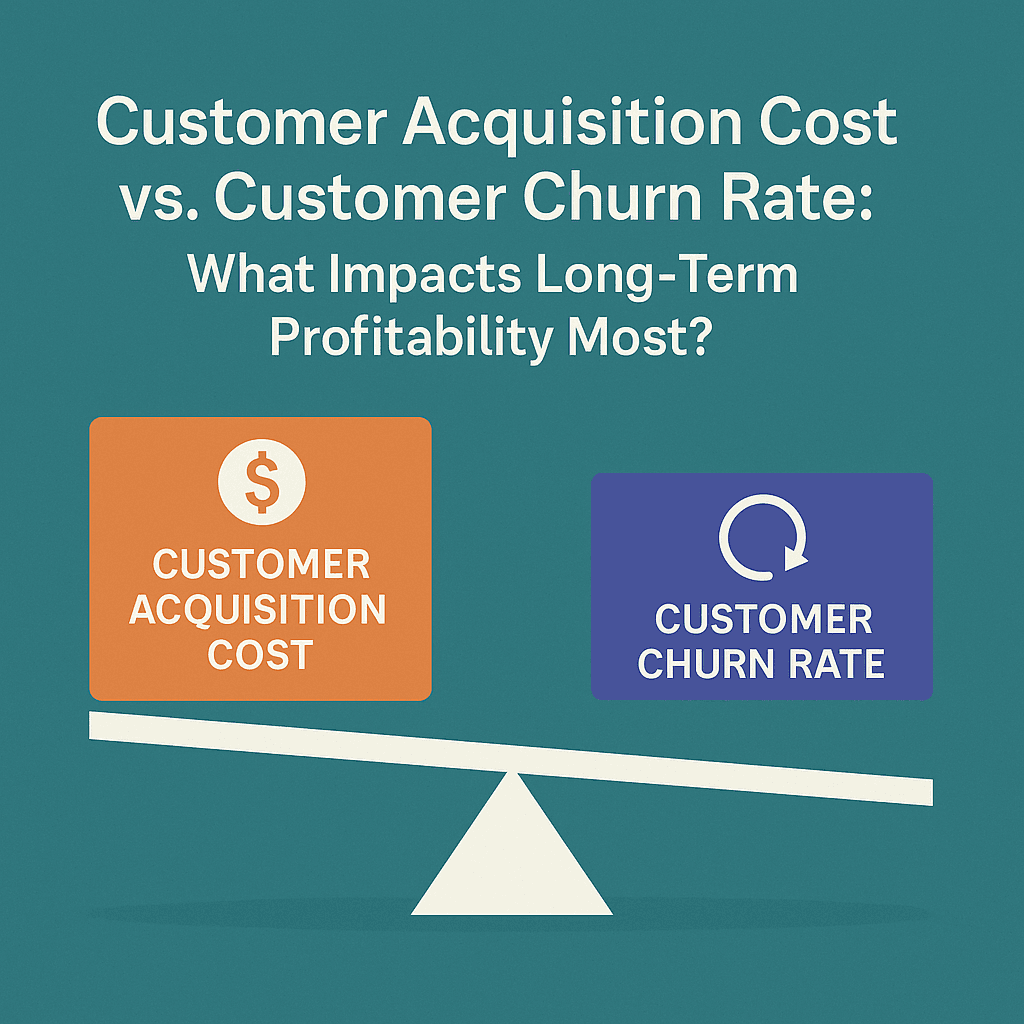
Customer Acquisition Cost vs. Customer Churn Rate: What Impacts Long-Term Profitability Most?
This article explores the critical relationship between Customer Acquisition Cost (CAC) and customer churn rate, emphasizing their impact on long-term profitability. It highlights the importance of retaining customers, effective budget allocation, and implementing strategies such as customer success platforms and tailored solutions. A balanced approach to managing these metrics is essential for fostering sustainable business growth and enhancing customer loyalty.

Why Customer Retention AI Is Essential in 2025
In 2025, customer retention AI will be vital for businesses to enhance loyalty and satisfaction amidst rising acquisition costs. This technology allows for churn prediction, personalized engagement, and proactive support, thereby transforming customer relationships. By leveraging AI, companies can ensure steady revenue streams and foster long-lasting customer connections.

How Customer Retention AI Is Helping Reduce Churn
Customer retention AI is revolutionizing how businesses reduce churn by predicting customer behaviors and enhancing interactions through personalized experiences. By utilizing AI-driven analytics, companies can proactively engage at-risk clients and improve loyalty, ultimately leading to higher satisfaction and profitability. As AI technology advances, its role in fostering deeper customer relationships will become increasingly vital for sustainable business growth.

Guide to Customer Retention AI Workflows
Customer retention AI workflows are transforming how businesses engage with clients by predicting behaviors and identifying potential churn points. By utilizing tools like churn prediction, loyalty scoring, and proactive support, companies can strengthen customer relationships and reduce churn rates. Embracing these AI solutions is crucial for achieving long-term loyalty and business growth.

How Customer Success Specialists Can Reduce Customer Acquisition Cost Over Time
Customer Success Specialists play a crucial role in reducing customer acquisition costs (CAC) by fostering customer advocacy, enhancing client satisfaction, and leveraging efficient customer success platforms. With strategies aimed at lowering churn rates and optimizing customer engagement, these specialists ensure that businesses not only retain clients but also convert them into brand advocates, ultimately contributing to sustained growth. Investing in their training and tools further empowers these specialists to drive down CAC over time.

From Onboarding to Retention: How Customer Success Software Drives Customer-Led Growth
Customer success software is essential for driving sustainable, customer-led growth by enhancing engagement, onboarding, and retention. By utilizing these tools, businesses can create value propositions that resonate with clients and leverage data-driven insights for personalized experiences. Ultimately, embracing this technology enables companies to foster positive relationships and achieve higher customer satisfaction and loyalty.

The Top Customer Support KPIs Every Leader Should Track
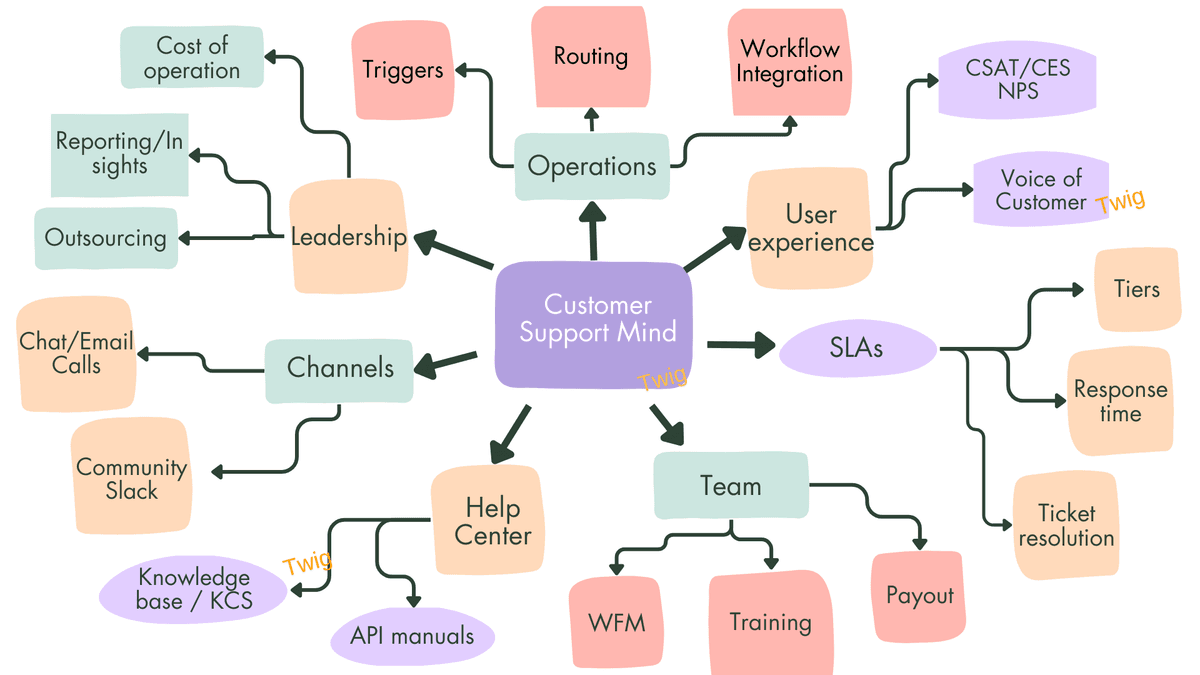
Support 101 metrics, operational and voice of customer KPIs. See different levels of tracking your tickets, agent efficiency, and customer service costs. AI's influence on support KPIs.

The Future of AI in Customer Retention Support
Customer retention AI is revolutionizing how businesses maintain client relationships by predicting behaviors, personalizing engagement, and enhancing satisfaction. Advanced AI systems streamline churn prediction and proactive support, significantly improving retention rates. Companies must integrate ethical practices and human collaboration to maximize these AI technologies' benefits.

Glossary of the Top 20 Metrics Used in Customer Support
In today’s fast-paced business environment, customer support metrics play a crucial role in assessing efficiency, improving customer satisfaction, and optimizing resources. Companies leveraging AI customer service solutions and AI-powered customer support tools are increasingly using data-driven strategies to enhance customer experience (CX).

Improving CSAT Scores in Fintech with AI Support
This article discusses the significant role of AI in enhancing customer support within the fintech sector, emphasizing its impact on improving Customer Satisfaction (CSAT) scores. By automating tasks, personalizing interactions, and reducing human error, AI can address common challenges faced by traditional support models. Implementing AI-driven solutions is essential for fintech companies to meet evolving customer expectations and maintain a competitive edge.

How to Measure Customer Service in the Age of AI: Metrics That Matter in 2025
As AI transforms customer support, businesses must adopt new metrics to measure service effectiveness by 2025, focusing on AI adoption rates, interaction quality, and customer sentiment analysis. Traditional metrics alone are no longer sufficient; organizations need to evaluate AI-specific metrics to optimize customer engagement and operational efficiency. Embracing these changes will help decision-makers maintain a competitive edge in the evolving landscape of AI-driven customer service.

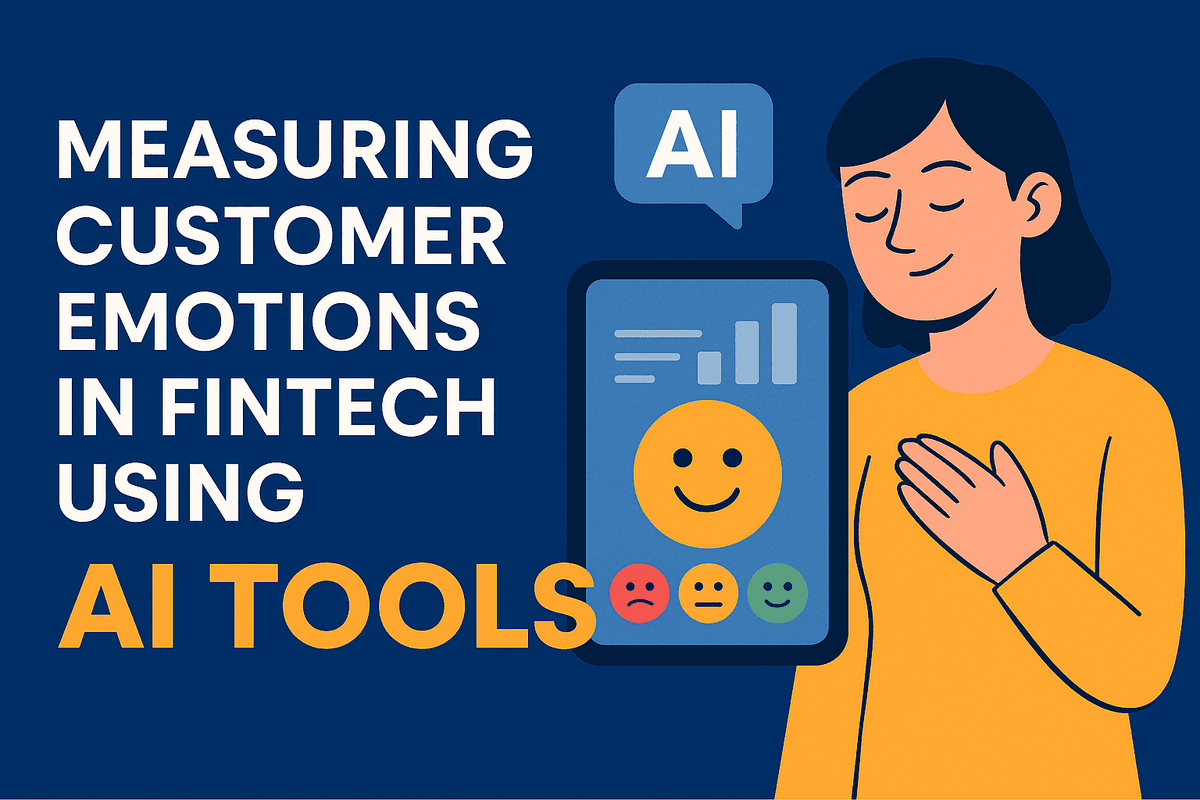
Measuring Customer Emotions in Fintech Using AI Tools
The article explores how AI tools, particularly personal assistants, are transforming the fintech landscape by measuring and responding to customer emotions. Understanding these emotional cues is essential for enhancing customer relationships, improving support, and driving retention. As fintech continues to evolve, integrating emotional intelligence is becoming vital for competitive advantage.

Why a Modern Customer Success Platform is Your Best Weapon Against Rising Acquisition Costs
Modern customer success platforms are essential tools for businesses aiming to combat rising customer acquisition costs (CAC) amid fierce competition and budget constraints. By enhancing customer engagement, reducing churn, and fostering advocacy, these platforms help organizations boost profitability and facilitate sustainable growth. Implementing these solutions strategically can lead to significant improvements in both customer satisfaction and acquisition efficiency.

How Predictive AI Improves Customer Retention in Fintech
Predictive AI is transforming customer retention in fintech by providing personalized experiences, enhancing support services, and reducing operational costs. By anticipating customer needs and addressing issues proactively, fintech companies can improve loyalty and satisfaction. Implementing predictive AI not only helps in retaining customers but also drives strategic growth through data-driven insights.

Predictive Analytics in Fintech: How AI Forecasts Market Trends
Discover how AI-driven predictive analytics is empowering fintechs to forecast market behavior, detect churn, and optimize customer engagement. Learn how deep learning, behavioral modeling, and real-time data turn AI into a strategic tool for growth and retention.

Real-Time Customer Sentiment Tracking in Fintech with AI
The fintech sector is leveraging AI for real-time customer sentiment tracking to enhance service delivery and customer experiences. By utilizing sentiment analysis and AI chatbots, companies can better understand customer emotions, improve service recovery, and foster loyalty. This innovative approach is transforming customer interactions and ensuring a competitive edge in the fast-paced fintech landscape.

Reducing Acquisition Costs Through Smarter AI Customer Support
The article discusses how AI customer support systems can significantly lower acquisition costs while enhancing customer experience. By automating routine tasks and improving efficiency, AI-driven solutions allow businesses to optimize resource use and retain customers more effectively. The evolution of AI's role in customer service is reshaping operational strategies in a digital marketplace.

The ROI of AI in Fintech Customer Care
AI-driven solutions are transforming customer care in the fintech industry by enhancing personalization, operational efficiency, and cost-effectiveness, leading to significant ROI. By automating routine tasks and providing tailored support, fintech companies can improve customer satisfaction and loyalty while driving revenue growth. The trend of integrating AI in customer interactions is set to continue evolving, making it essential for fintech firms to adapt to stay competitive.

Self Customer Service: The Smartest Way to Reduce Churn in 2025
Self customer service is vital for reducing churn and enhancing customer loyalty as we approach 2025. By empowering customers with automated solutions, businesses can improve satisfaction while optimizing costs and support resources. Investing in AI-driven tools and fostering a self-service culture is essential to meet evolving consumer demands and ensure sustainable growth.

Teaching Agentic Thinking: How Customer Education Boosts Retention and Advocacy
Businesses are increasingly focusing on customer education to foster agentic thinking, empowering customers to make informed decisions that enhance satisfaction and advocacy. By implementing robust education programs, companies can improve product adoption, customer retention, and advocacy, ultimately driving revenue growth. This strategic approach positions customer education as a necessity for long-term success in a competitive market.

From Onboarding to Advocacy: Using Time to Value to Reduce Customer Churn and Acquisition Costs
The article emphasizes the importance of optimizing time to value (TTV) in reducing customer acquisition costs while enhancing customer retention and advocacy in SaaS models. By improving onboarding processes and leveraging customer success platforms, businesses can address client needs effectively, minimizing churn and fostering loyalty. Implementing strategies such as predictive analytics and engagement programs ultimately leads to sustainable growth and reduced acquisition expenses.

Top AI-Powered Customer Analytics Tools for CX Teams
AI-powered customer analytics tools are essential for CX teams to efficiently process data and enhance customer experiences. These tools enable real-time insights, personalized interactions, and proactive engagement strategies, helping businesses anticipate and meet customer needs. By leveraging such technologies, companies can significantly improve customer satisfaction, retention, and overall operational efficiency.

Top AI Tools for Boosting Customer Retention Rates
AI tools are essential for enhancing customer retention rates in businesses, providing insights into churn prediction, loyalty scoring, and proactive support. By leveraging these technologies, companies can address potential issues, tailor strategies to individual needs, and ultimately strengthen customer relationships. Embracing these innovations is key to maintaining competitiveness and driving sustained growth.

Top Metrics for Evaluating Your AI Tax Assistant’s Performance
This article explores essential metrics for evaluating the performance of AI tax assistants, emphasizing accuracy, efficiency, customer satisfaction, cost-effectiveness, and integration capability. Understanding these metrics helps organizations assess the efficacy of AI tools and their alignment with business goals. A comprehensive evaluation can optimize operations and enhance customer experiences in tax management.