key concepts

What Is Agentic AI and Why It’s the Future of Scalable Customer Support
Agentic AI is revolutionizing customer support with its ability to autonomously handle tasks, providing 24/7 availability, scalability, and personalized interactions. By integrating with conversational AI and IT support, businesses can enhance operations while ensuring positive customer experiences. Embracing this technology is essential for companies aiming for efficient and effective customer service in the digital age.

What is Agentic Behavior? A Guide for Customer Success Managers Focused on CLTV and GRR
Agentic behavior, characterized by proactive engagement and independent decision-making, is vital for Customer Success Managers aiming to enhance Customer Lifetime Value (CLTV) and Gross Revenue Retention (GRR). By fostering an agentic mindset within teams, organizations can better address customer needs, improve satisfaction, and strengthen long-term relationships. This approach ultimately drives sustainable growth and customer loyalty in the competitive landscape of customer success.

Agentic Definition in Customer Success: Why Empowered Users Drive Higher Product Adoption
The agentic definition in customer success emphasizes empowering users, enhancing their autonomy and control over their product experiences. This approach leads to increased product adoption, improved customer satisfaction, and better retention rates. By prioritizing user education and proactive engagement, organizations can foster a loyal customer base and achieve their business objectives.

How AI-Powered Knowledge Base Workflows Improve Self-Service
AI-powered knowledge base workflows enhance self-service by automating content creation, categorization, and analysis, leading to faster and more accurate customer support. The integration of AI search suggestions and dynamically updated FAQs further improves user experience and operational efficiency. As organizations embrace these technologies, they not only keep pace with advancements but also drive innovation in customer service.

From AI Personal Assistants to Copilots: Redefining the AI Service Desk Experience
The evolution of AI in customer support has transformed traditional service desks through AI personal assistants and advanced AI copilots. These systems not only automate routine tasks but also provide personalized, efficient solutions, enhancing customer satisfaction. As companies adopt these technologies, they can expect improved engagement, efficiency, and reduced operational costs.

Guide to AI-Powered Knowledge Base Optimization
This guide outlines how AI technologies are transforming knowledge base optimization for customer support. By leveraging automated management, semantic search, and AI FAQ builders, businesses can enhance service delivery and drive customer satisfaction. Staying updated with AI advancements is essential for companies to maintain a competitive edge in the evolving landscape.

Top AI-Powered Knowledge Base Strategies for 2025
As we approach 2025, AI is reshaping knowledge management and customer support, making AI-powered knowledge bases essential for businesses. By automating processes, enhancing search experiences, and providing dynamic content updates, organizations can significantly boost efficiency and customer satisfaction. Embracing these strategies will position companies to gain a competitive advantage in an increasingly complex market.

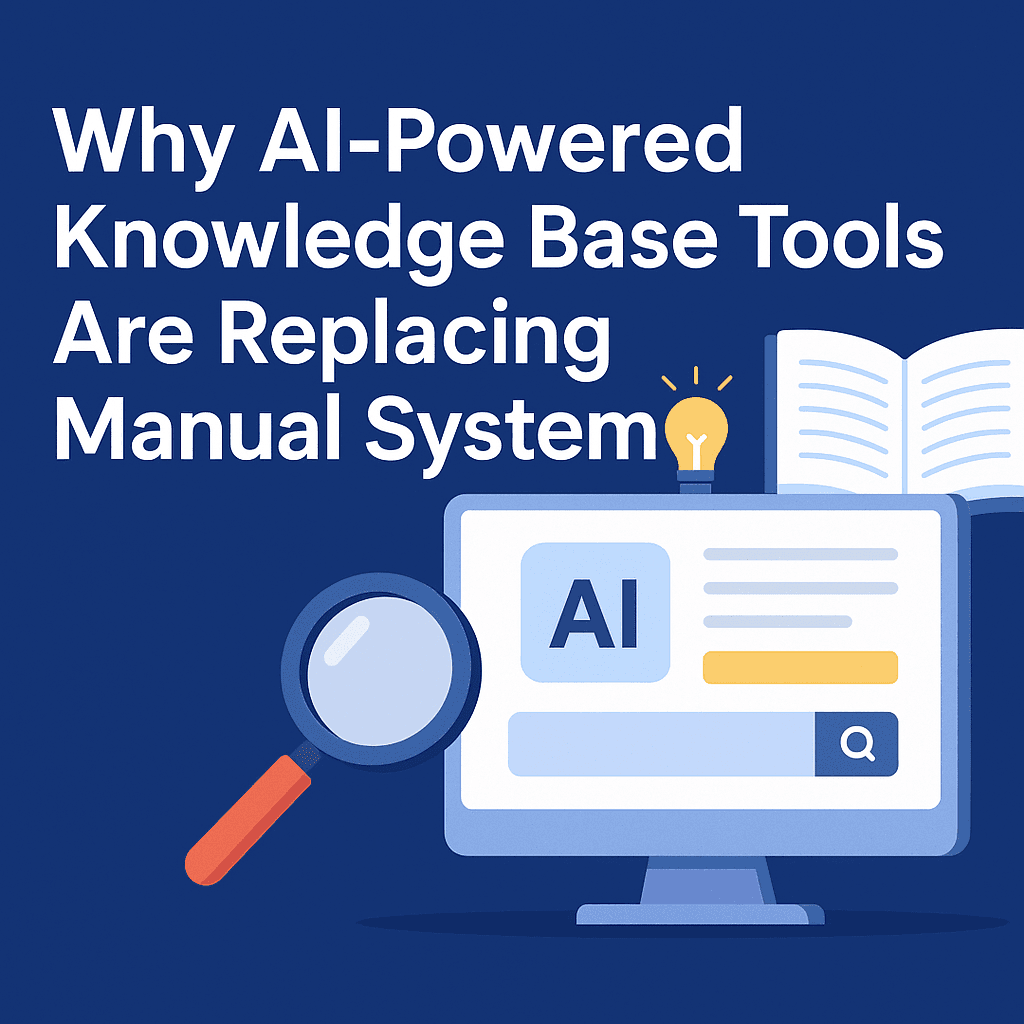
Why AI-Powered Knowledge Base Tools Are Replacing Manual Systems
AI-powered knowledge base tools are transforming customer support by automating content management, improving search capabilities, and delivering personalized experiences, rendering traditional manual systems outdated. These tools enable businesses to provide real-time assistance and maintain up-to-date information, ultimately enhancing customer satisfaction and operational efficiency. As companies adopt AI solutions, they position themselves for success in an increasingly competitive digital landscape.

AI-Powered Knowledge Bases for Faster Customer Resolution
AI-powered knowledge bases are revolutionizing customer service by facilitating faster resolution times and enhancing customer interactions. These systems utilize machine learning and natural language processing to deliver personalized support, optimizing both customer experience and operational efficiency. As businesses increasingly adopt these technologies, the integration of AI with human representatives offers a balanced approach to meet evolving customer expectations.

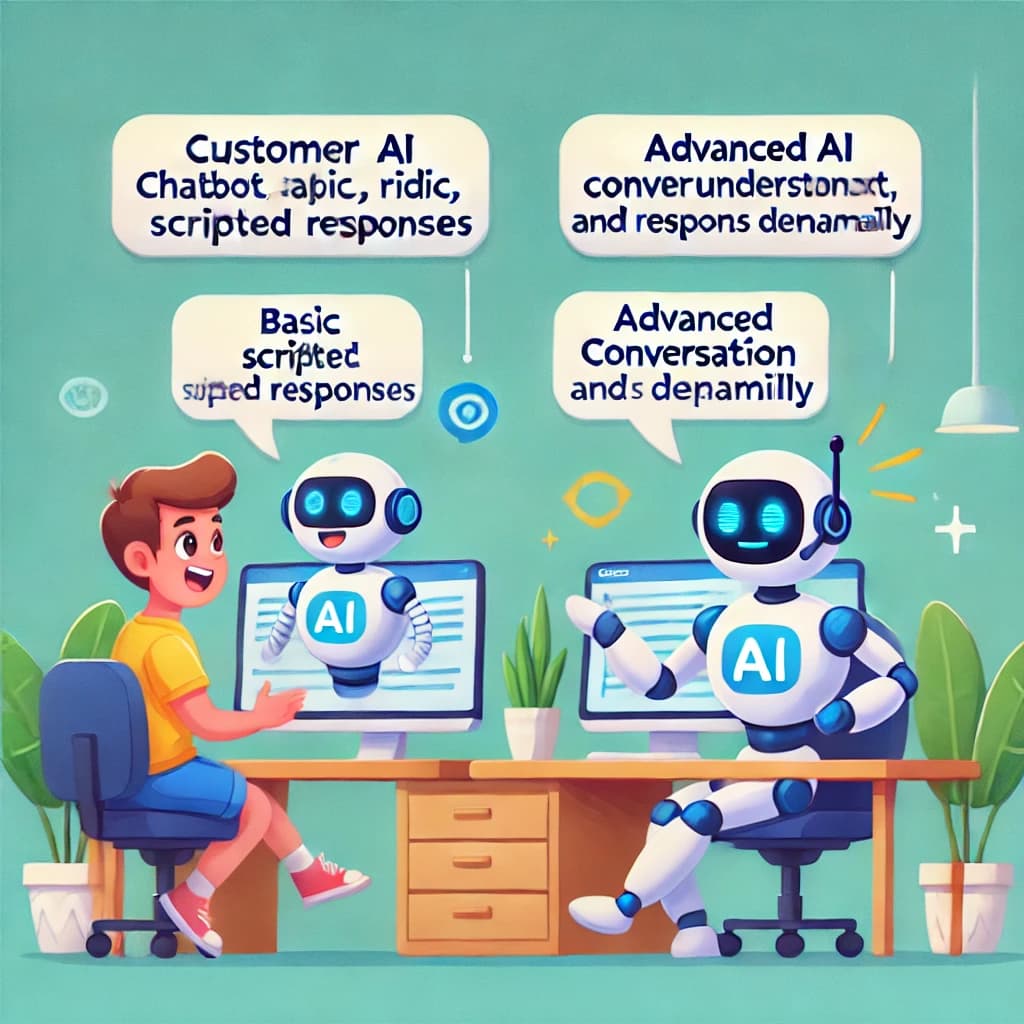
Chat Bots vs Conversational AI whats the difference
Chatbots use predefined scripts to handle simple, rule-based interactions, while conversational AI leverages NLP and machine learning to understand context and provide dynamic, human-like responses. Chatbots are best for FAQs and transactional tasks, whereas conversational AI offers personalized, scalable customer support. Businesses should choose based on their needs, with conversational AI being the superior choice for complex interactions.

Chatbots in the Last Five Years?
Chatbots have evolved from simple rule-based systems to AI-powered conversational agents with advanced natural language understanding and personalization. They now integrate seamlessly with business applications, offer multimodal interactions, and enhance customer service efficiency. Future advancements will focus on emotional intelligence, stronger security, and more human-like conversations.

How Conversational AI Is Revolutionizing Customer Support in Fintech and Insurance
Conversational AI is transforming customer support in the fintech and insurance sectors by enhancing efficiency, providing real-time assistance, and personalizing interactions. This technology streamlines processes, increases accuracy, and offers 24/7 support, helping companies to meet growing consumer demands. As AI capabilities evolve, companies must adopt these innovations to enhance customer experiences and maintain a competitive edge.

Conversational AI in Insurance: Transforming Claims and Customer Support with AITSM
The insurance industry is being transformed by conversational AI, enhancing claims processing and customer support through automation and improved efficiency. AI-driven solutions reduce errors, provide 24/7 service, and offer personalized interactions, ultimately leading to increased customer satisfaction. As the technology continues to evolve, AI is expected to reshape various facets of insurance, paving the way for greater operational efficiency.

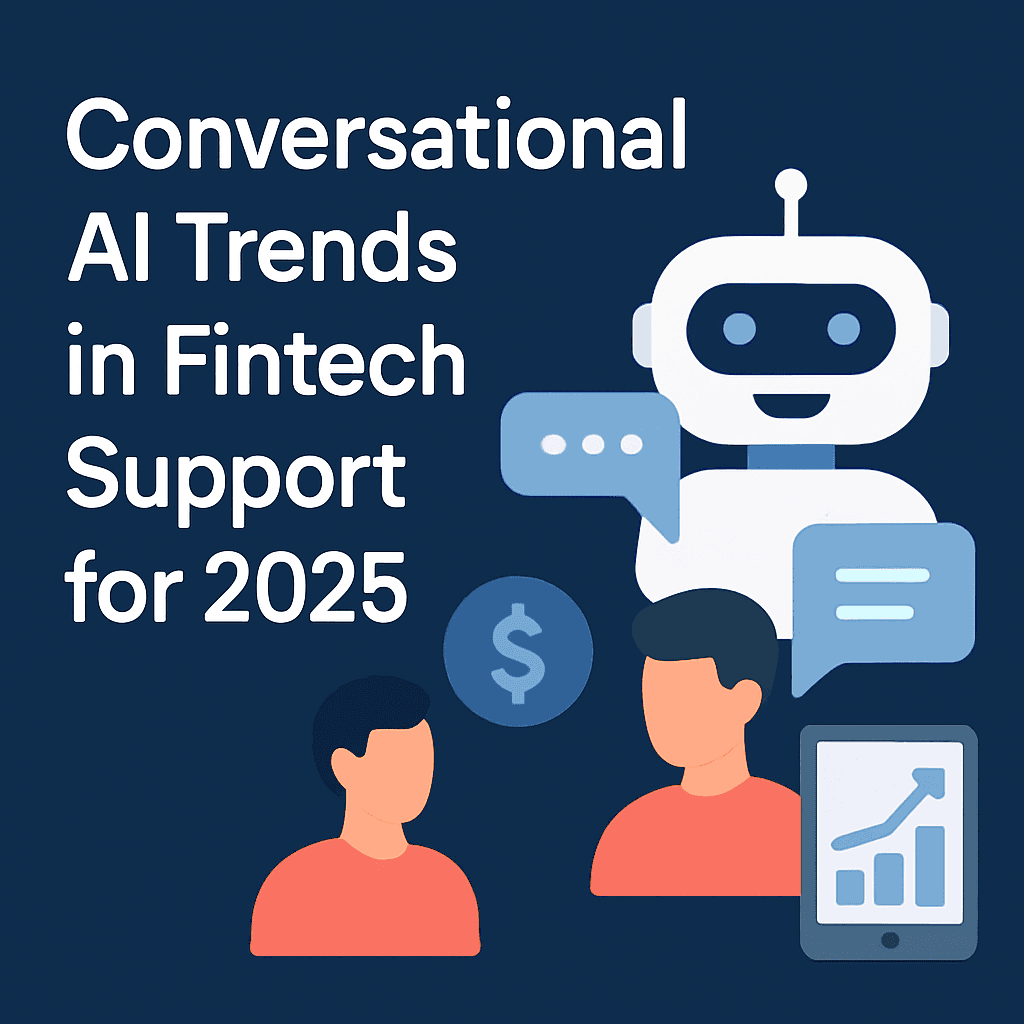
Conversational AI Trends in Fintech Support for 2025
As fintech evolves towards 2025, AI-powered conversational tools are revolutionizing customer service through enhanced engagement and operational efficiency. Key trends such as omnichannel support, personalized experiences, and real-time fraud detection play vital roles in meeting customer expectations. Financial institutions must embrace these innovations to stay competitive and improve service quality.

Conversational AI vs Generative AI in Customer Support: Which One Powers Better Service?
This article explores the differences between Conversational AI and Generative AI in customer support, highlighting their unique advantages and challenges. While Conversational AI excels in real-time interactions with structured responses, Generative AI offers deeper personalization and problem-solving capabilities. Companies must carefully assess their needs to choose the most effective AI solution for enhancing customer experiences.

What Is Copilot AI and How Is It Changing the AIOps Platform for Customer Service Teams?
Copilot AI is revolutionizing customer service by enhancing human capabilities through real-time assistance, predictive maintenance, and automated workflows. It distinguishes itself from traditional AI by combining conversational and generative AI, significantly improving operational efficiency and customer satisfaction. By integrating Copilot AI into AIOps platforms, businesses can better anticipate customer needs and optimize service delivery.

Customer Service Automation, what is it
Customer service automation uses AI, chatbots, and self-service tools to streamline support, reduce costs, and enhance customer experience. It enables faster response times, 24/7 availability, and improved accuracy while handling large volumes of inquiries efficiently. As AI evolves, businesses will see deeper automation, hyper-personalization, and omnichannel support integration.

Does Lack of Documentation Prevent AI Adoption in Customer Support?
AI in customer support enhances efficiency but faces challenges without proper documentation. However, AI-powered tools can extract knowledge from unstructured data, automate responses, and improve over time. Businesses can bridge documentation gaps using **AI chatbots, agent assist AI, and AI-powered helpdesks** to optimize customer experience.

The Future of AI-Powered Knowledge Base Support
AI-powered knowledge bases are transforming customer support by streamlining information management, enhancing user experience, and reducing operational costs. These systems leverage machine learning and natural language processing to provide real-time updates and relevant search suggestions. As organizations adopt these innovative solutions, they will likely lead the future of effective customer service.

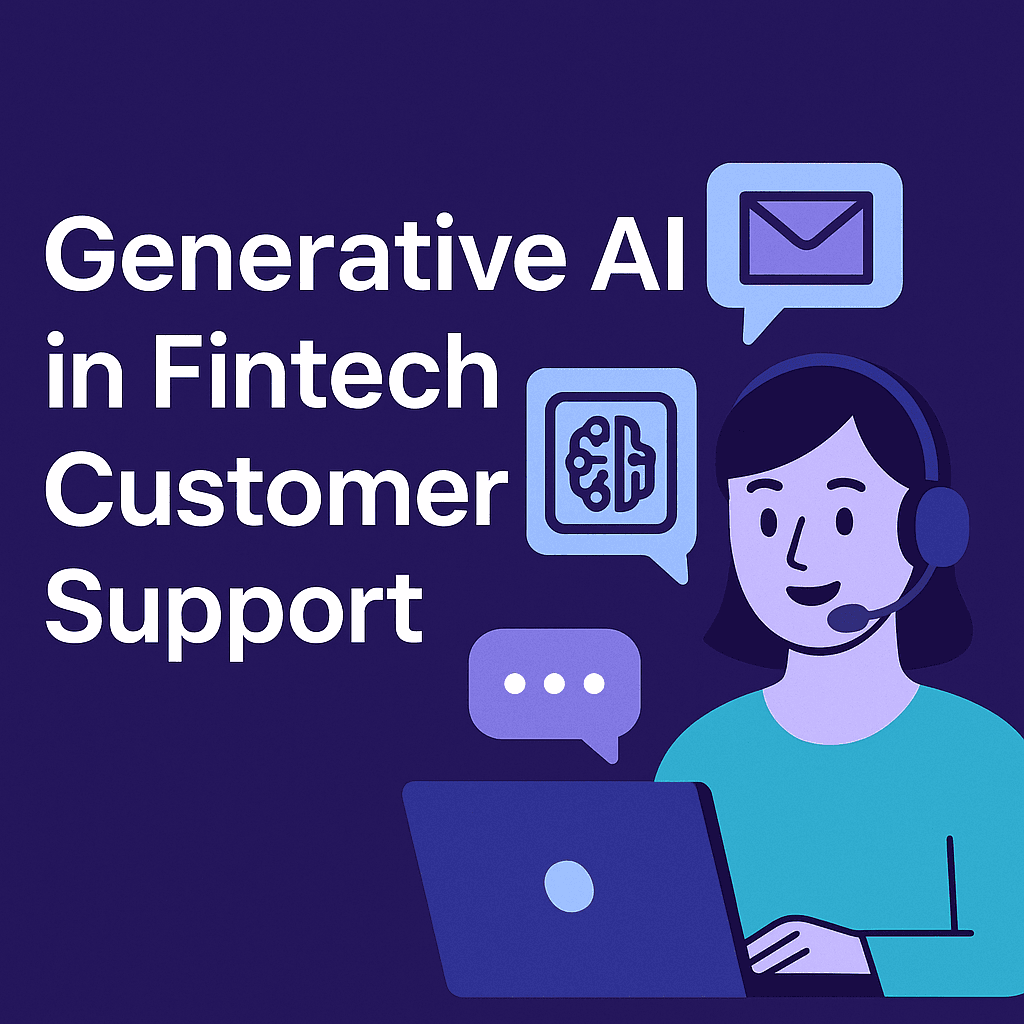
How Generative AI Is Being Used in Fintech Customer Support
Generative AI is transforming customer support in the fintech sector by enabling personalized interactions, automating ticket management, and enhancing communication reliability. This technology helps companies streamline their operations, improve response times, and anticipate customer needs, ultimately leading to higher satisfaction and loyalty. As fintech evolves, integrating Generative AI will be crucial for maintaining a competitive edge.

Practical use cases of generative AI in Customer Service
Exploring the Practical Use Cases of Generative AI in Customer Service

How Are AI Agents Different from AI Q&A?
This article covers the difference between AI Agents and QnA systems. AI Q&A systems provide quick responses to queries, while AI agents autonomously execute tasks and integrate into workflows. Businesses can leverage AI-powered customer service solutions to enhance efficiency, reduce ticket deflection, and improve customer experience. Understanding the difference between AI Q&A and AI agents helps in choosing the right technology for automation and support.

How Can I Build a Reliable AI for Customer Support
Learn how to build a reliable AI for customer support with best practices on AI technology, data training, and system integration. Discover key metrics like CSAT, ticket deflection, and ROI CX solutions to measure success. Stay ahead with generative AI customer experience and top AI-powered solutions from Google, Amazon, and Microsoft.

How to Write Good Knowledge Base Articles for a SaaS Product
A well-structured knowledge base helps SaaS users find answers quickly, reducing support tickets and improving customer experience. Effective articles should be clear, concise, scannable, and SEO-optimized, with a consistent format and actionable content. Regular updates and user feedback ensure the knowledge base stays relevant and useful over time.

My Manager Has Tasked Me to Evaluate AI for Support—What Do I Do?
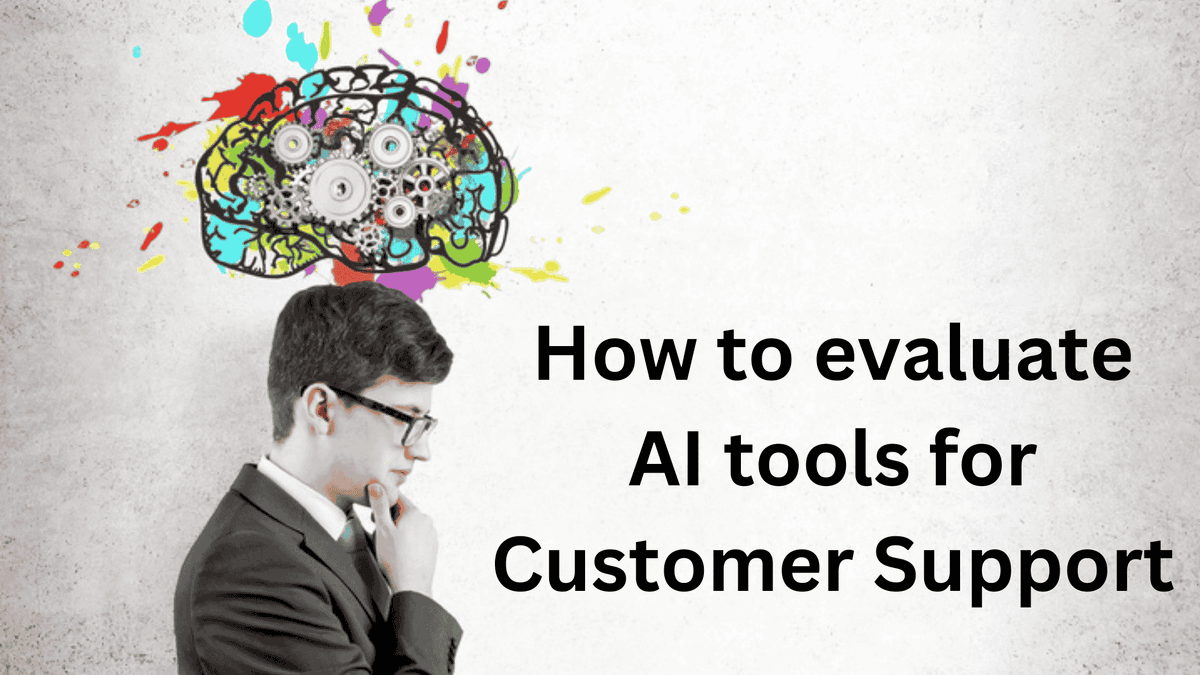
Evaluating AI for customer support? This guide covers defining business goals, selecting the right AI tools, and measuring success. Learn how AI chatbots, agent assist AI, and automation can enhance customer service efficiency and ROI.

NLU / NLP Whats with the jargons in Customer Support AI
NLP and NLU are key AI technologies that enhance customer support by enabling chatbots, sentiment analysis, and automated ticket routing. NLP processes human language, while NLU interprets intent and context, improving AI-driven interactions. These advancements help businesses provide faster, more personalized, and efficient customer service.

What Are Small Language Models and How They Power AI Virtual Assistants
Small language models are revolutionizing AI virtual assistants in the fintech sector by enhancing customer interactions with efficiency, personalization, and real-time feedback. Their agile design allows businesses to provide superior self-service options while adapting to user needs. As technology advances, these models promise even greater innovations in customer support and engagement.

Small Language Models and LLM Evaluation: What They Mean for the Future of Customer Support
The article explores the transformative impact of small and large language models (SLMs and LLMs) on customer support, emphasizing their roles in enhancing efficiency and customer satisfaction. It highlights how these AI technologies streamline operations and the importance of evaluating LLMs for bias and performance. Ultimately, organizations adopting these advancements can gain a competitive edge in service delivery and customer engagement.

Understanding The Risks of Putting AI in Customer Support
AI-powered customer support enhances efficiency but poses risks like security breaches, customer dissatisfaction, and compliance challenges. Businesses must balance automation with human support to maintain trust and service quality. Learn more about AI risks and best practices.

What is a Chatbot
Chatbots in customer support use AI-powered technologies like NLP and machine learning to automate responses, enhance personalization, and provide 24/7 assistance. They improve efficiency by handling FAQs, troubleshooting issues, and integrating across multiple platforms. As AI evolves, chatbots will offer deeper contextual understanding, emotional intelligence, and improved security for customer interactions.

What is DeepSeek R1 and Why is Everyone Talking About It?
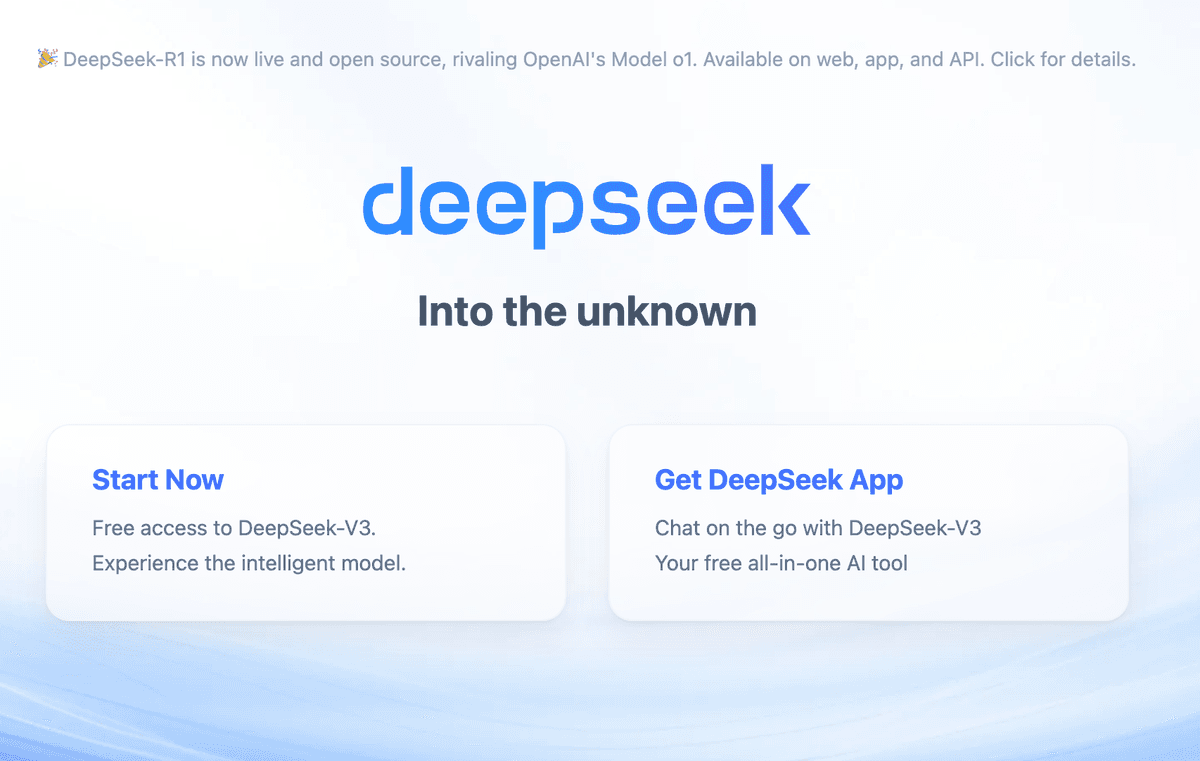
DeepSeek R1 is a powerful generative AI model transforming AI-powered customer support with advanced NLP capabilities and improved reasoning. Businesses are adopting it for AI customer service chatbots, IT support, and enhancing customer experience. Learn why DeepSeek R1 is trending and how it can optimize AI-driven customer service solutions.

What to Avoid When Writing Knowledge Base Articles for a Product
Avoid common mistakes in knowledge base articles, such as using jargon without explanation, lacking clear step-by-step instructions, and failing to update outdated content. Ensure readability with scannable formatting, SEO optimization, and troubleshooting sections. Regular updates and user feedback help maintain an effective and user-friendly knowledge base.